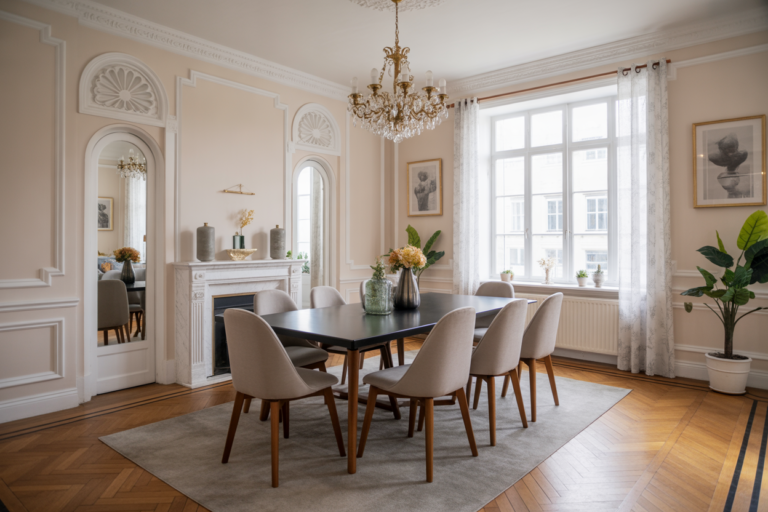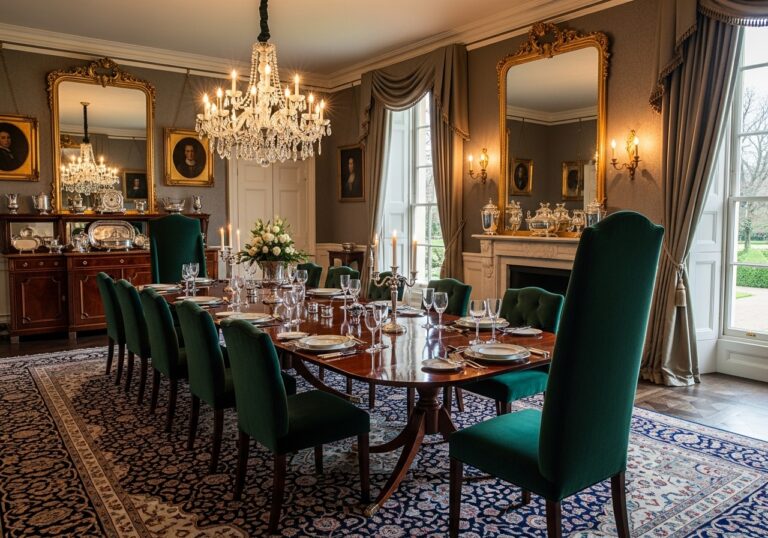
16 Dining Room Rug Ideas That Will Instantly Upgrade Your Space (Yes, Even If You Spill Everything)
Okay, let’s talk about something wildly underrated: dining room rugs. I know, I know—you’re probably thinking, “A rug… where food falls?” Bold choice. But hear me out. The right rug doesn’t just survive your spaghetti disasters—it makes your dining space look like you actually have your life together.
Think of it like the fashion piece your outfit didn’t know it needed. You can have a gorgeous table, chic chairs, perfect lighting… but without a rug? It’s giving “I forgot the shoes.” And we don’t do incomplete looks here.
So if you’re ready to turn your dining room into a vibe (and not just a place where crumbs go to die), these dining room rug ideas are about to change everything.
1. The Classic Neutral Flatweave
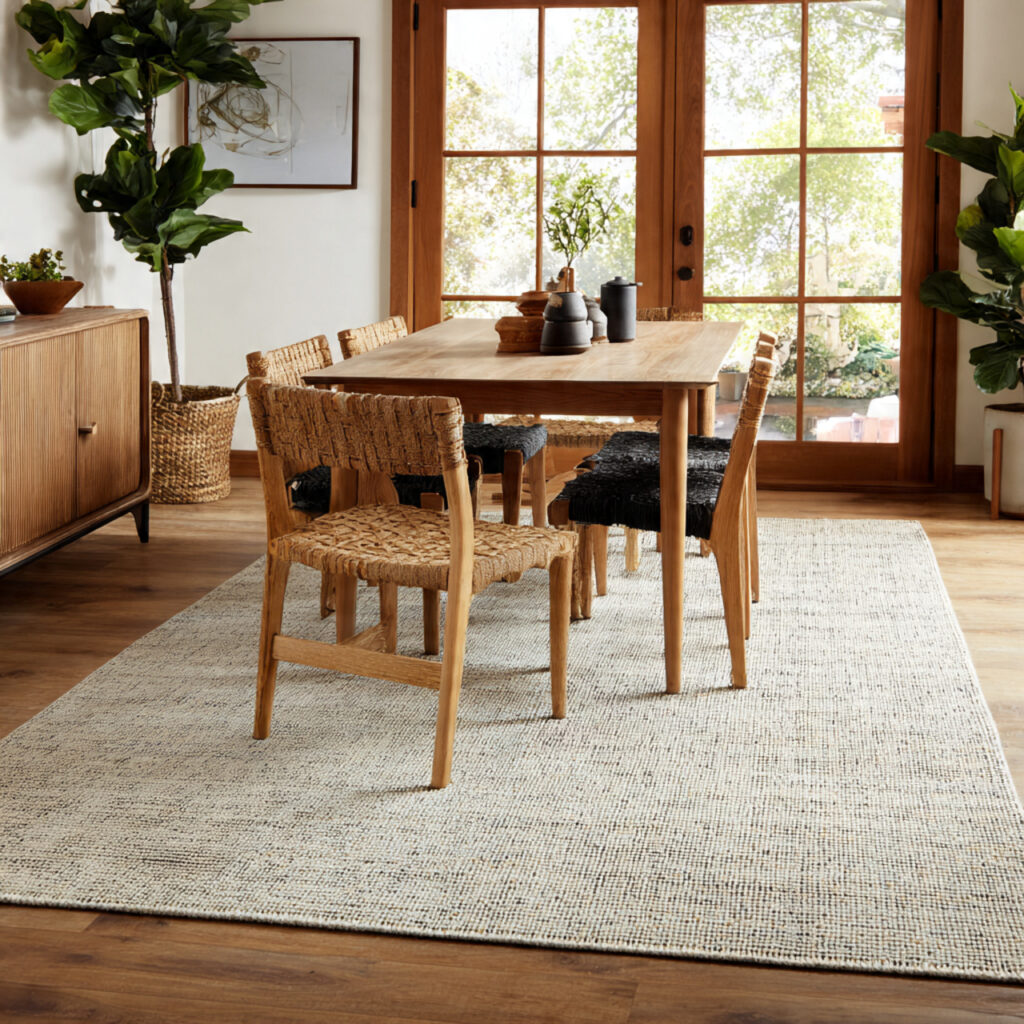
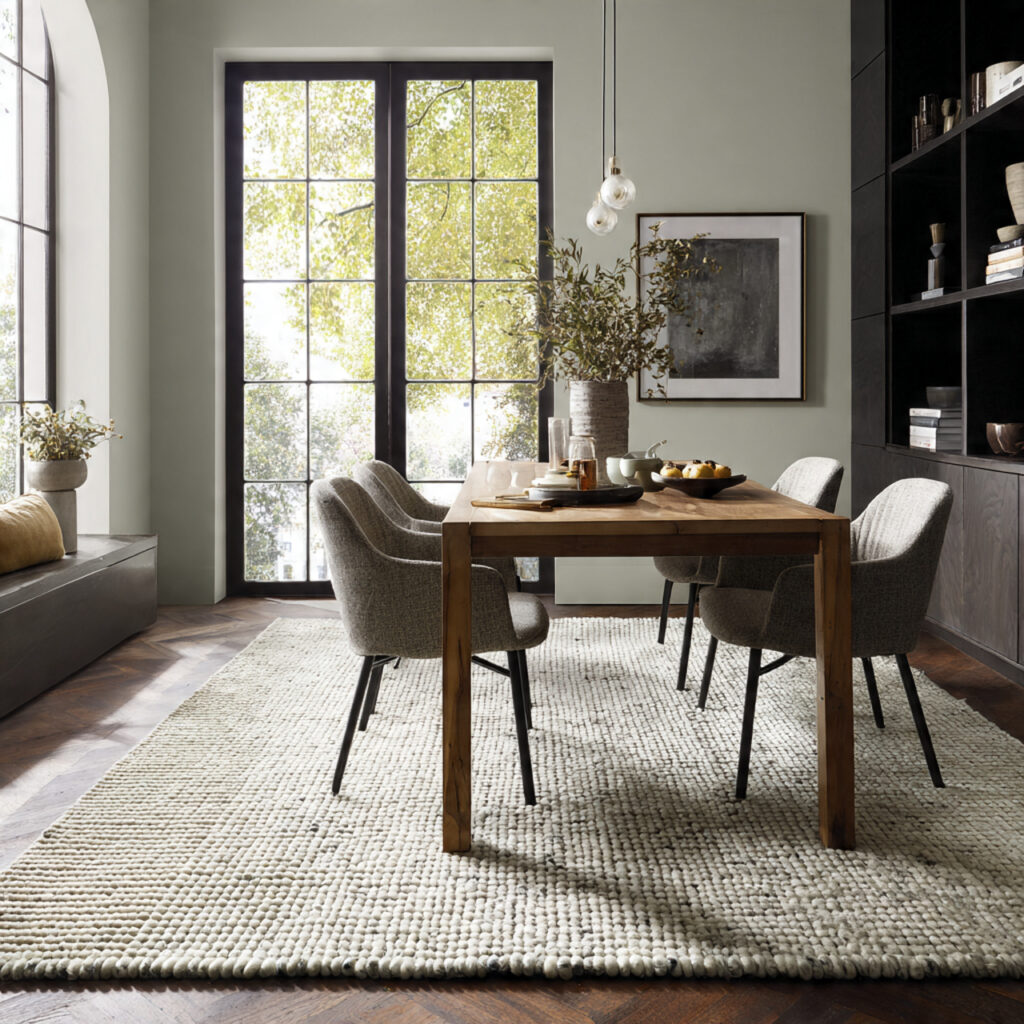
You know that friend who always looks effortlessly put together? That’s this rug. A neutral flatweave rug is clean, minimal, and low-key genius for dining spaces.
It’s thin enough to handle chairs sliding in and out without that annoying bunching situation. Plus, the subtle tones hide crumbs like a pro (bless). Pair it with wooden tables or modern chairs and you’ve got instant Pinterest energy.
And honestly? People love this because it works with literally everything. No drama, just vibes.
2. Bold Pattern Statement Rug
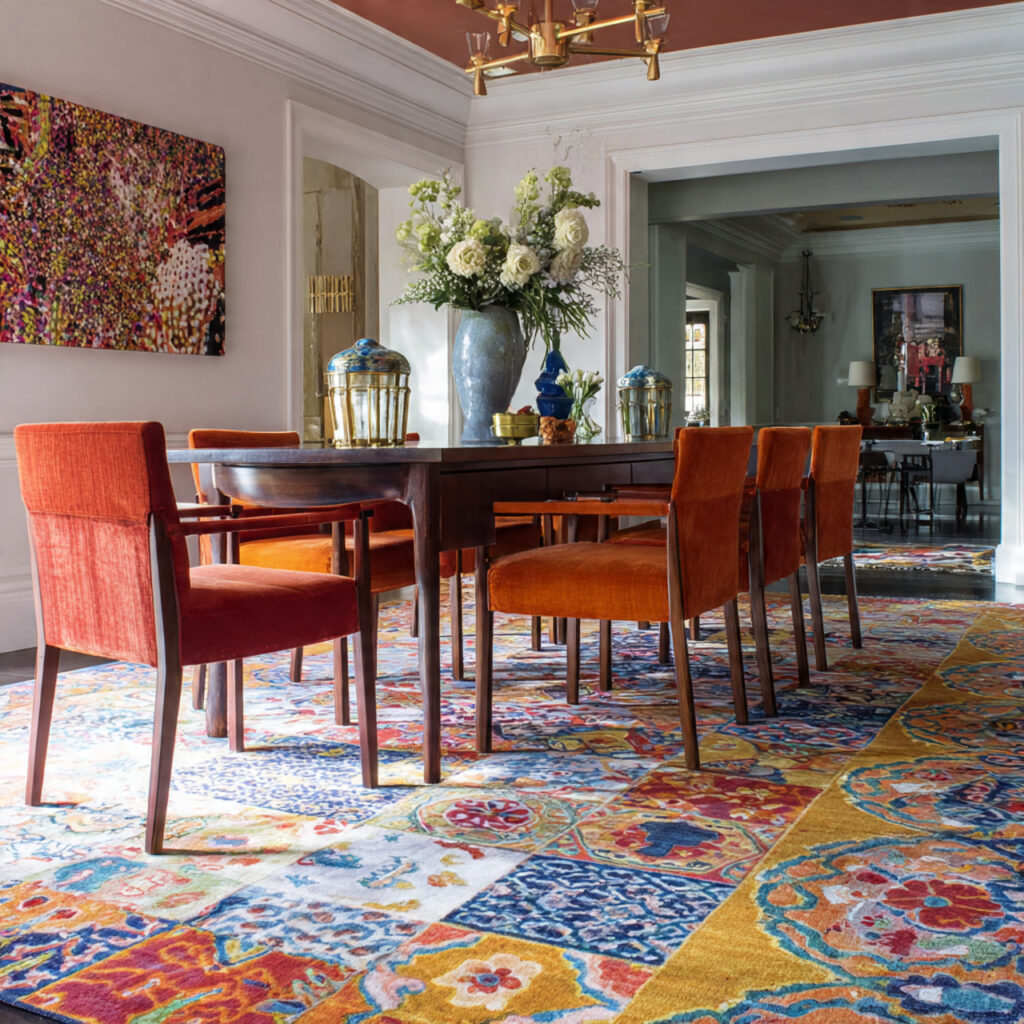
Feeling brave? Good. This one’s for you.
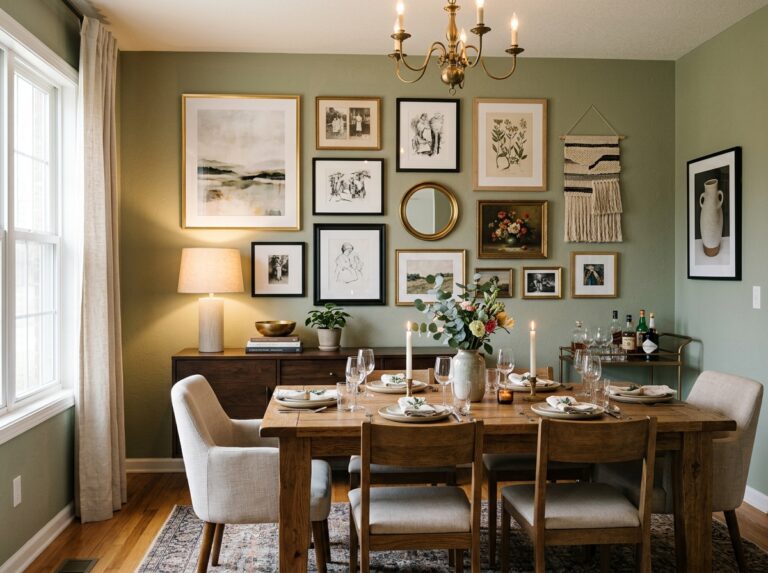
A bold patterned rug turns your dining room into the main character. Think geometric prints, Persian-inspired designs, or even something abstract that makes guests go, “Wait… where did you get that?”
Quick tip: keep your chairs simple if your rug is loud. You don’t want your dining room fighting itself for attention. Trust me, I tried mixing patterns once… chaos.
This works because it adds personality without needing extra décor. Instant upgrade.
3. Washable Rug (Because Life Happens)
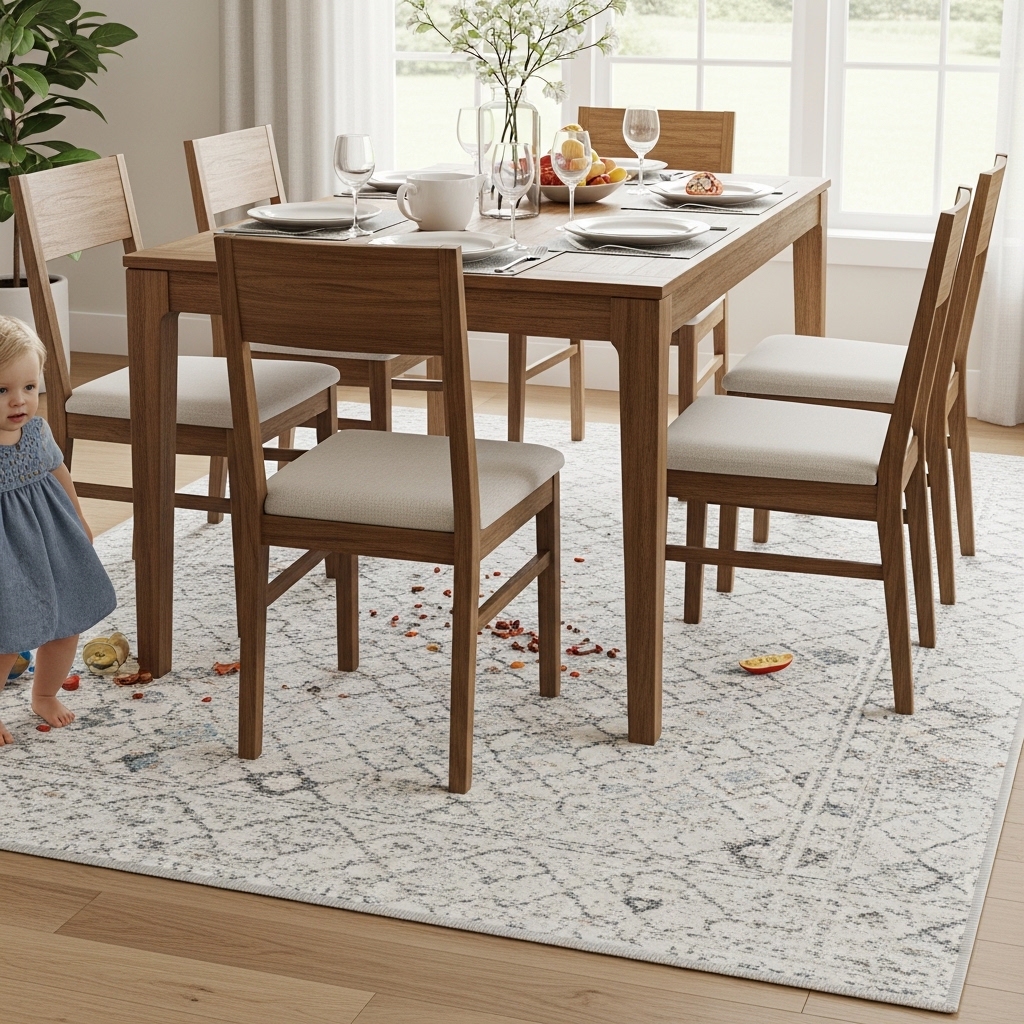
Let’s be real—if your rug isn’t washable, are you even relaxed while eating?
A washable dining room rug is basically self-care. Spill wine? No panic. Drop curry? Still fine. Just toss it in the wash and move on with your life.
Look for ones with soft textures and subtle patterns so stains don’t scream for attention. Bonus points if it feels cozy underfoot.
People love this because it’s stylish and practical. Finally, something that understands us.
4. Jute Rug for Natural Vibes
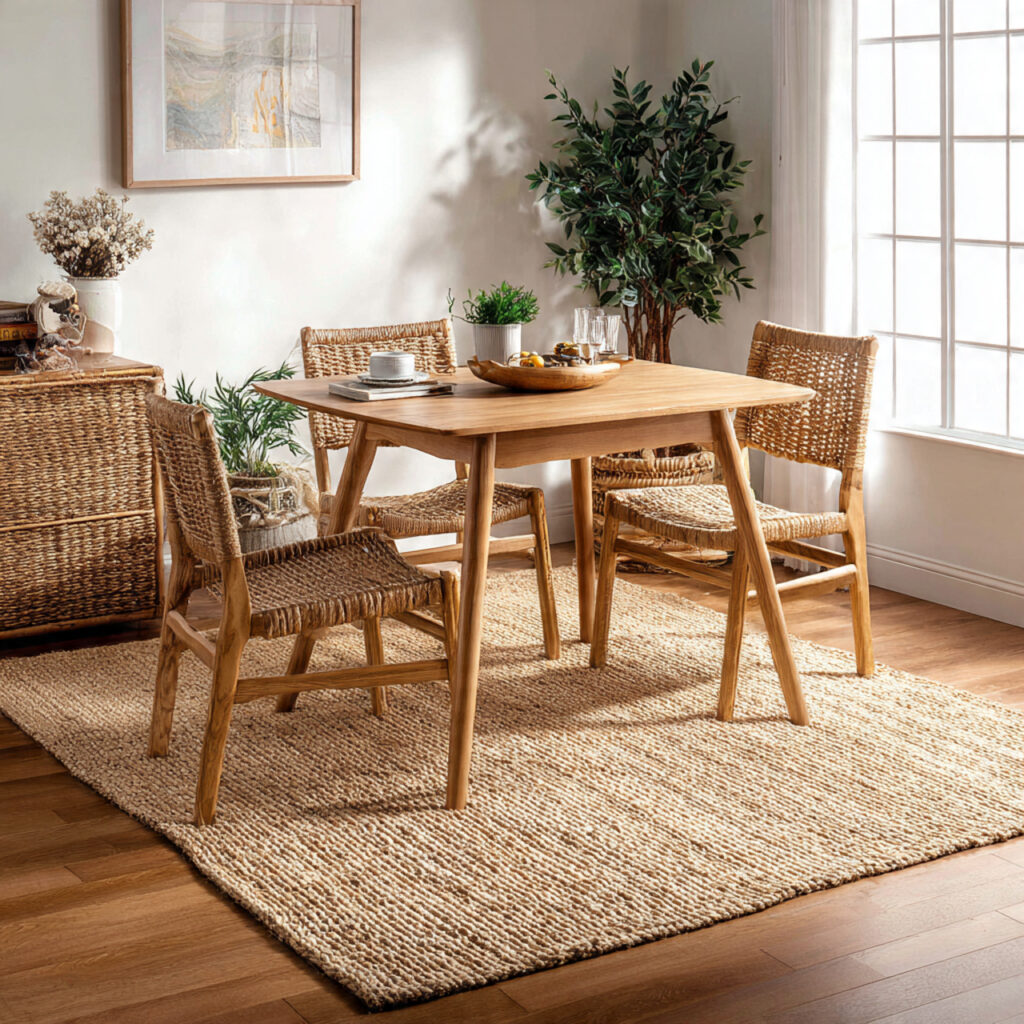
If your aesthetic is “I drink oat milk and own plants I somehow keep alive,” this is your rug.
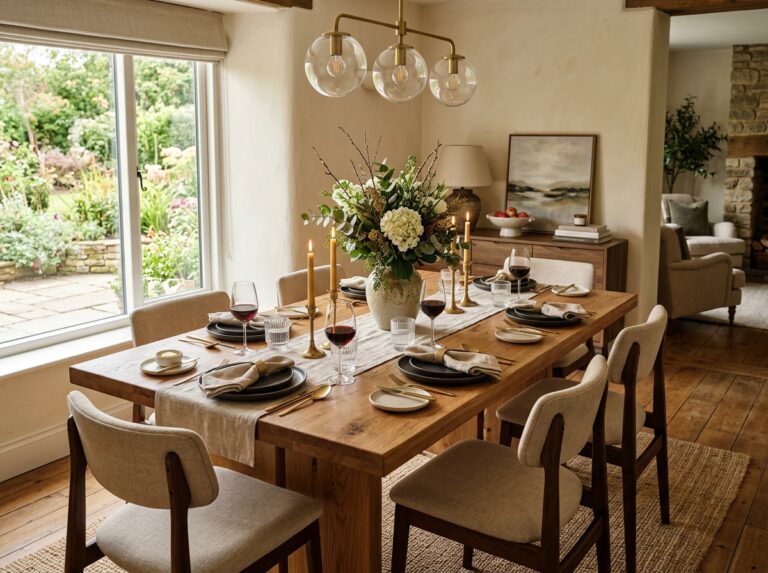
A jute rug brings that earthy, relaxed feel into your dining room. It pairs beautifully with wood furniture, linen textiles, and soft lighting.
But heads up—it’s not the most stain-friendly option. So maybe not ideal if your dinners get… chaotic.
Still, it’s loved for that organic, warm look. Like a deep breath, but for your space.
5. Black and White Graphic Rug
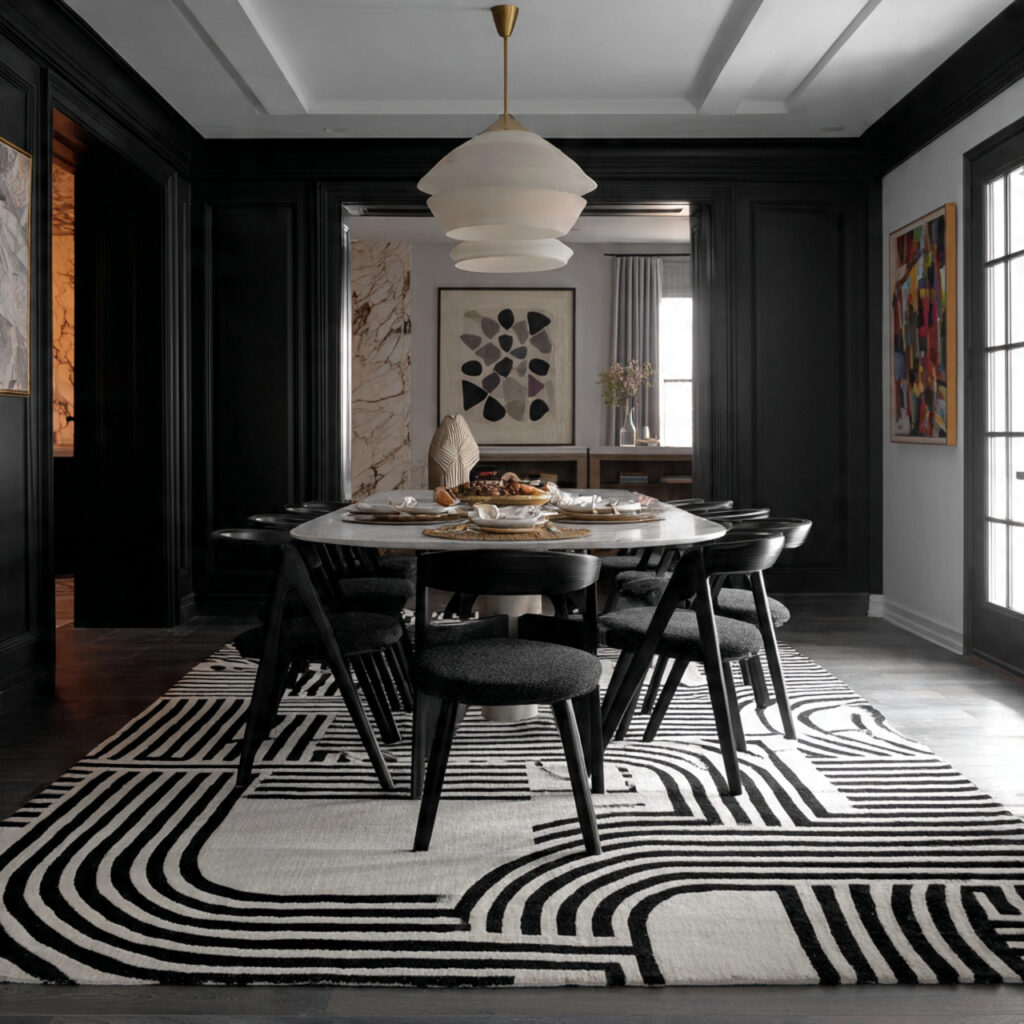
Minimalists, come closer.
A black and white rug gives your dining room structure without feeling boring. Stripes, grids, or abstract patterns—everything looks intentional and chic.
IMO, this works best with modern or Scandinavian interiors. Add a statement light fixture and suddenly your dining room looks like a magazine spread.
People love this because it’s bold without being overwhelming. Safe, but make it stylish.
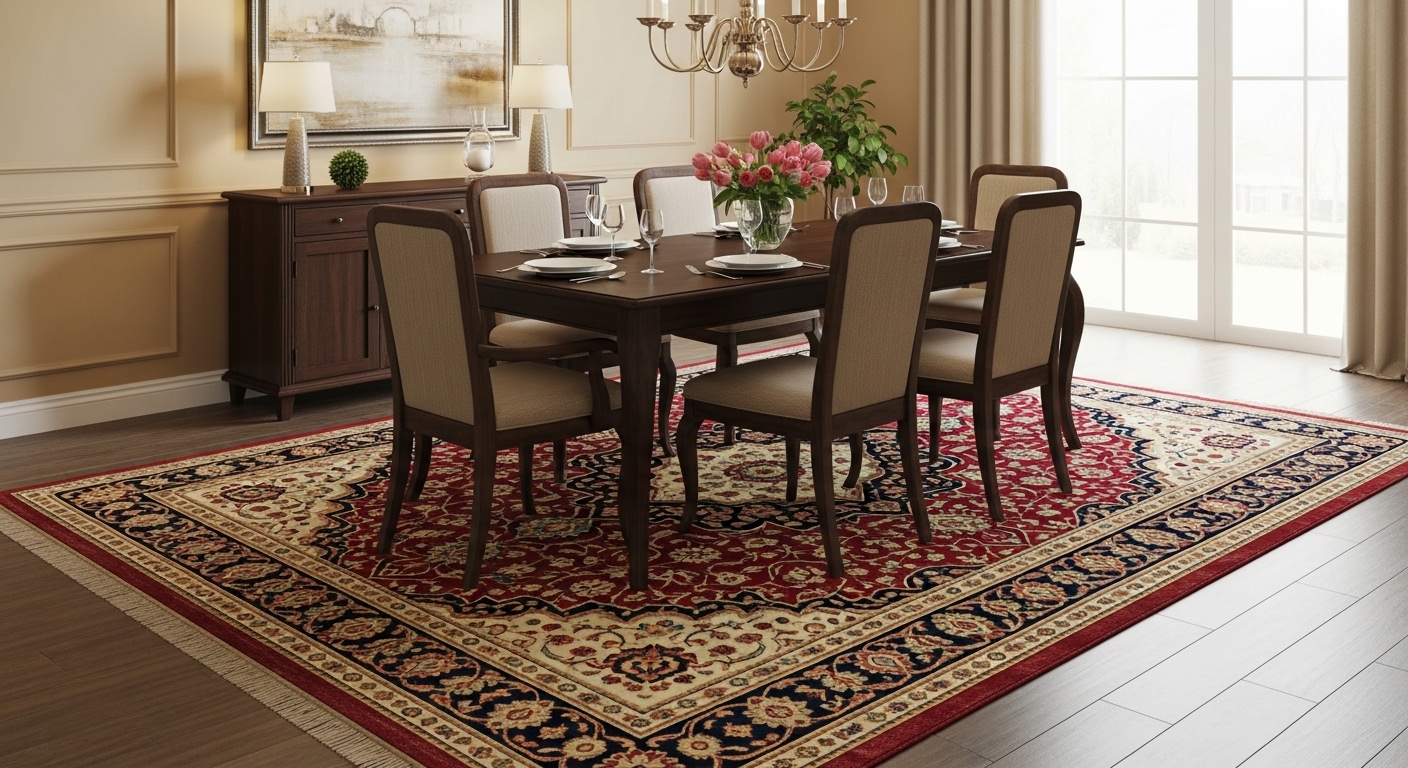
6. Vintage Persian Rug
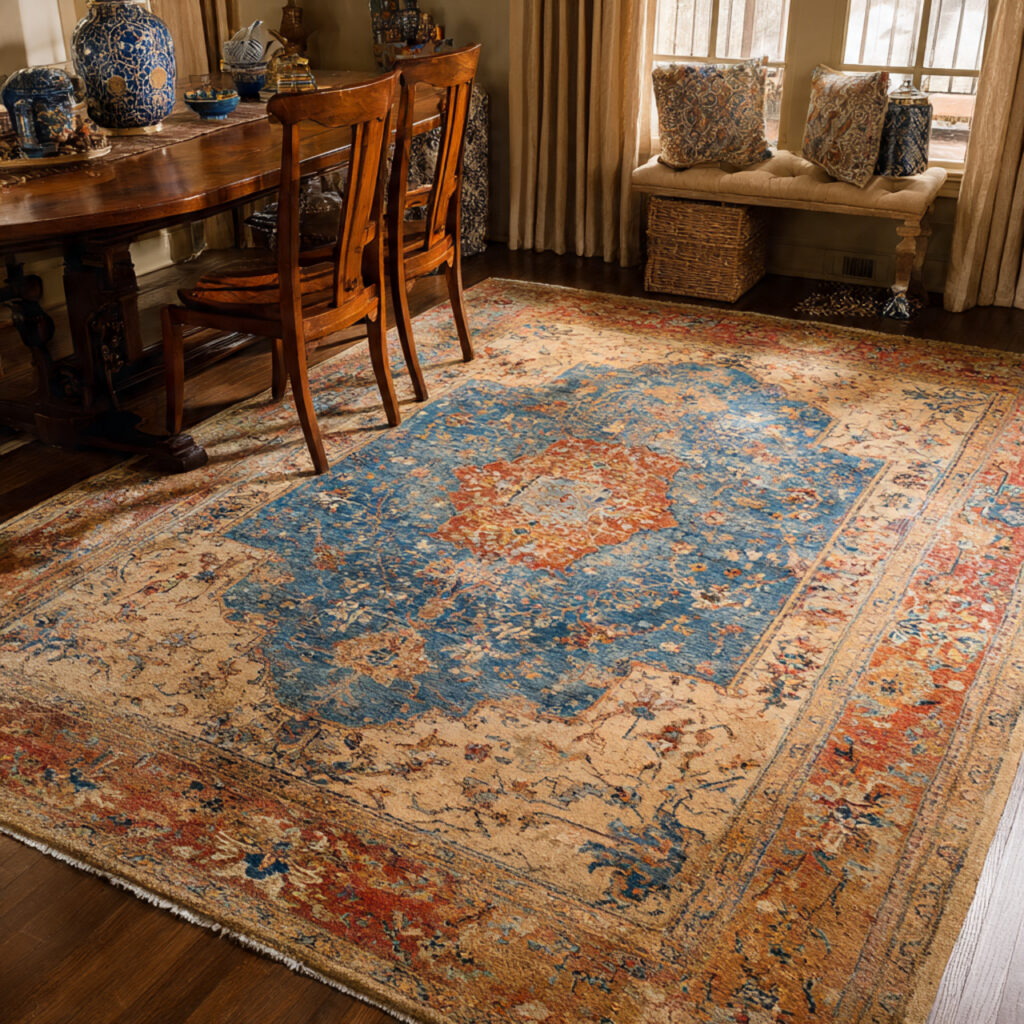
You know that one piece that makes everything feel expensive? This is it.
A vintage Persian rug adds depth, history, and color. Even if the rest of your dining room is simple, this rug carries the whole look.
Pro tip: go slightly faded for that lived-in, collected-over-time aesthetic. Too perfect can feel… try-hard.
This is a favorite because it instantly elevates the space. Zero effort, maximum impact.
7. Round Rug Under a Round Table
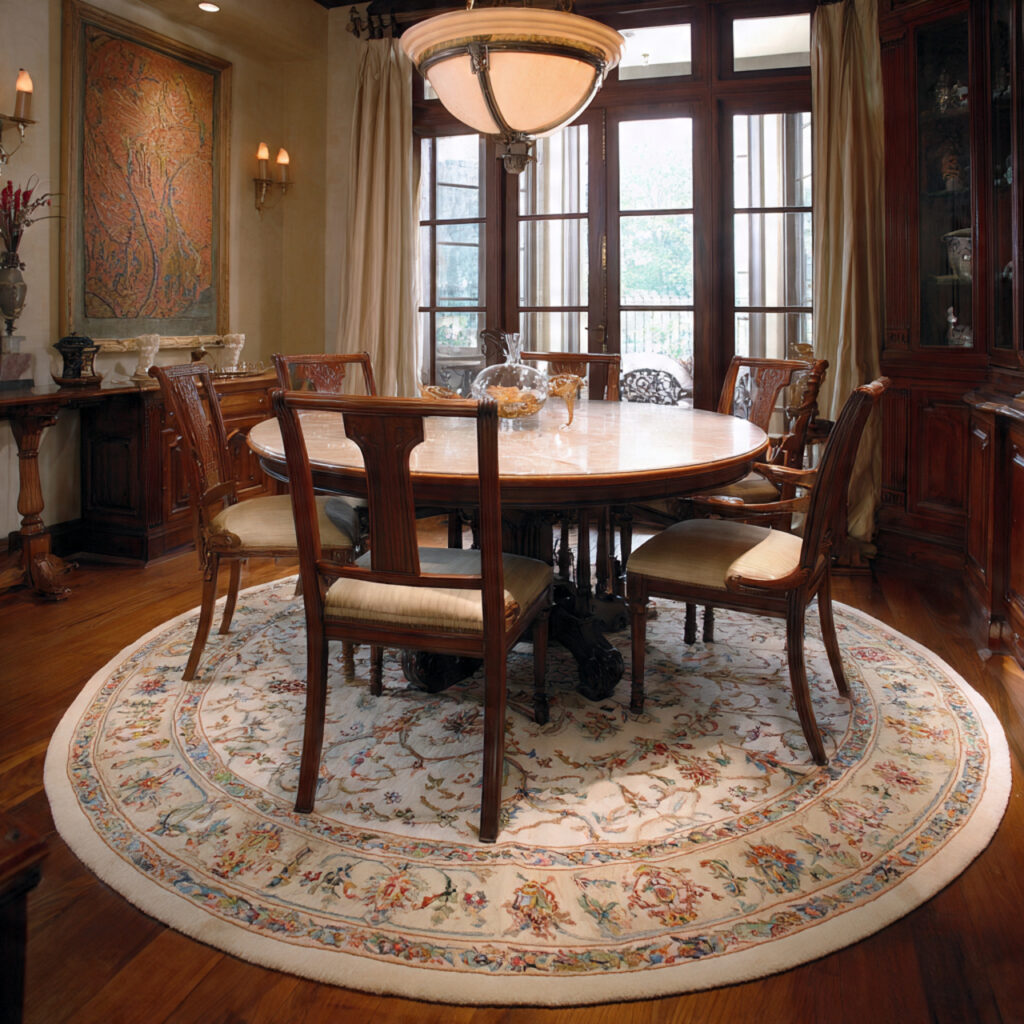
Matching shapes? Groundbreaking… but actually, yes.
A round rug under a round dining table creates harmony that just feels right. No awkward edges, no visual confusion—just smooth, balanced design.
Choose something with a soft pattern or texture so it doesn’t feel too flat.
People love this because it looks intentional. Like you hired a designer, but didn’t.
8. Layered Rugs (Yes, Really)
Okay, this one feels a little extra—but in a good way.
Layer a large neutral rug with a smaller patterned one on top. It adds dimension and makes your dining space feel curated.
But keep the bottom rug simple. This isn’t the time to go wild on both layers unless you enjoy visual chaos.
It works because it’s unexpected. And we love a little surprise.
9. Indoor-Outdoor Rug
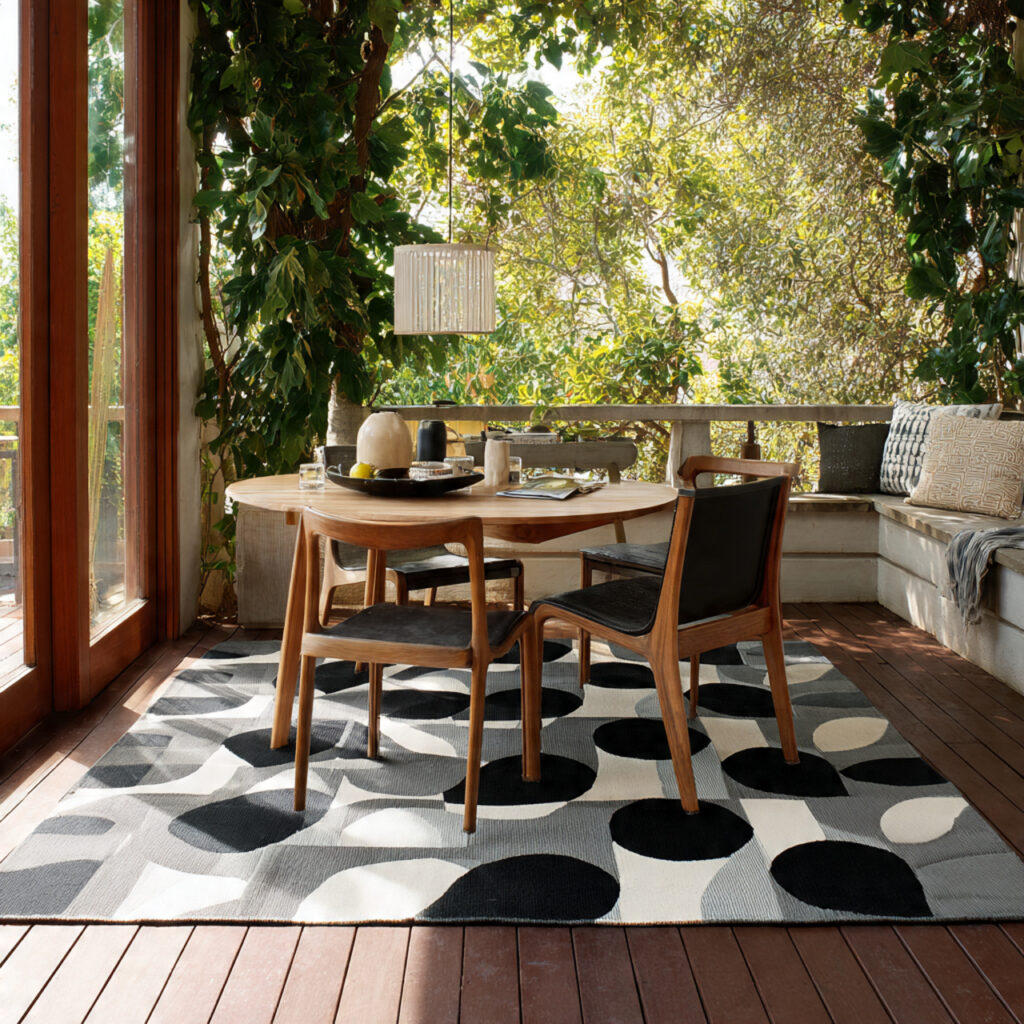
You know what’s underrated? Rugs that don’t care.
An indoor-outdoor rug handles spills, crumbs, and general life like a champ. Plus, many look just as stylish as indoor options now.
Perfect for families, messy eaters, or anyone who just doesn’t want stress during dinner.
People love this because it’s durable and cute. Finally.
10. Soft Plush Rug (For Cozy Lovers)
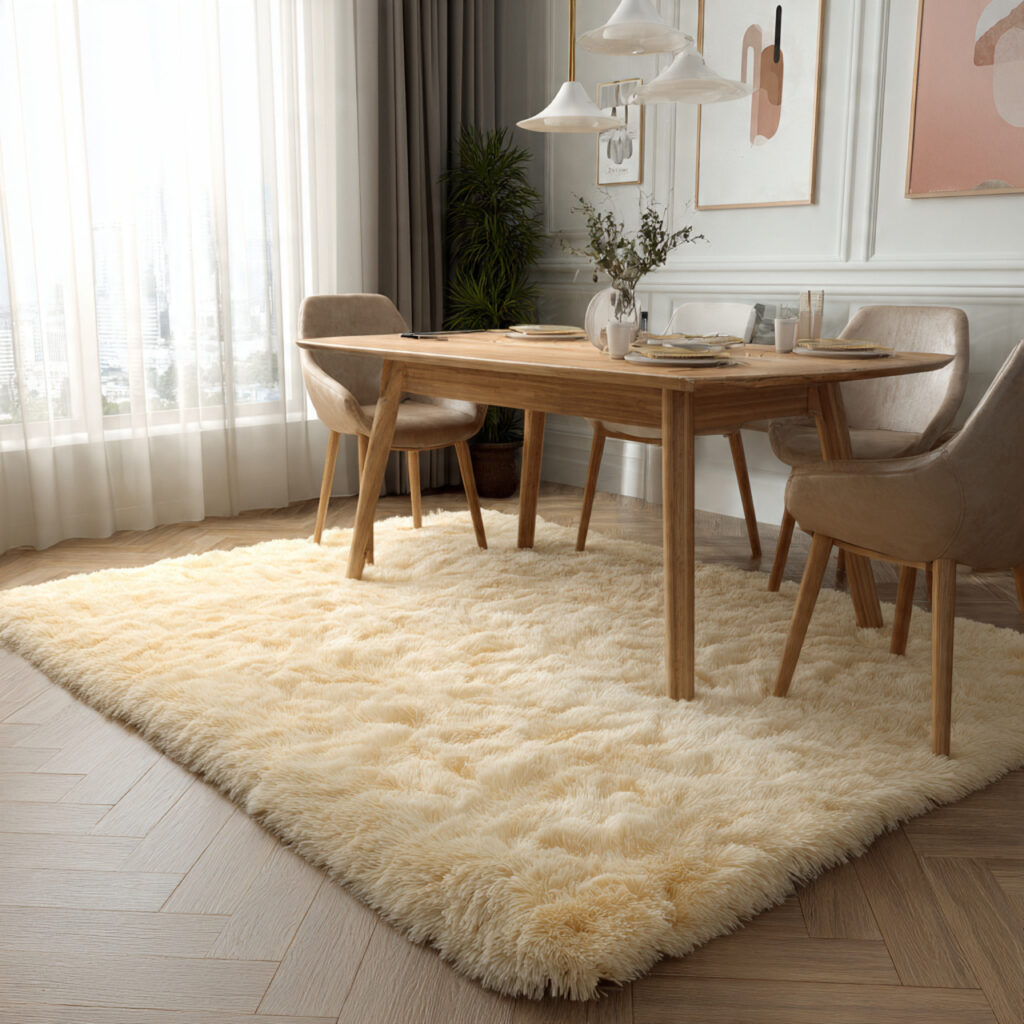
Listen… this one is controversial. A plush rug in a dining room? Risky.
But if you’re going for cozy, warm, intimate vibes, a low-pile plush rug can actually work. Just don’t go full shag—that’s a commitment you’ll regret.
Pair it with upholstered chairs and soft lighting for maximum comfort.
People love this because it feels luxurious. Like dining in a boutique hotel.
11. Striped Rug for Visual Length
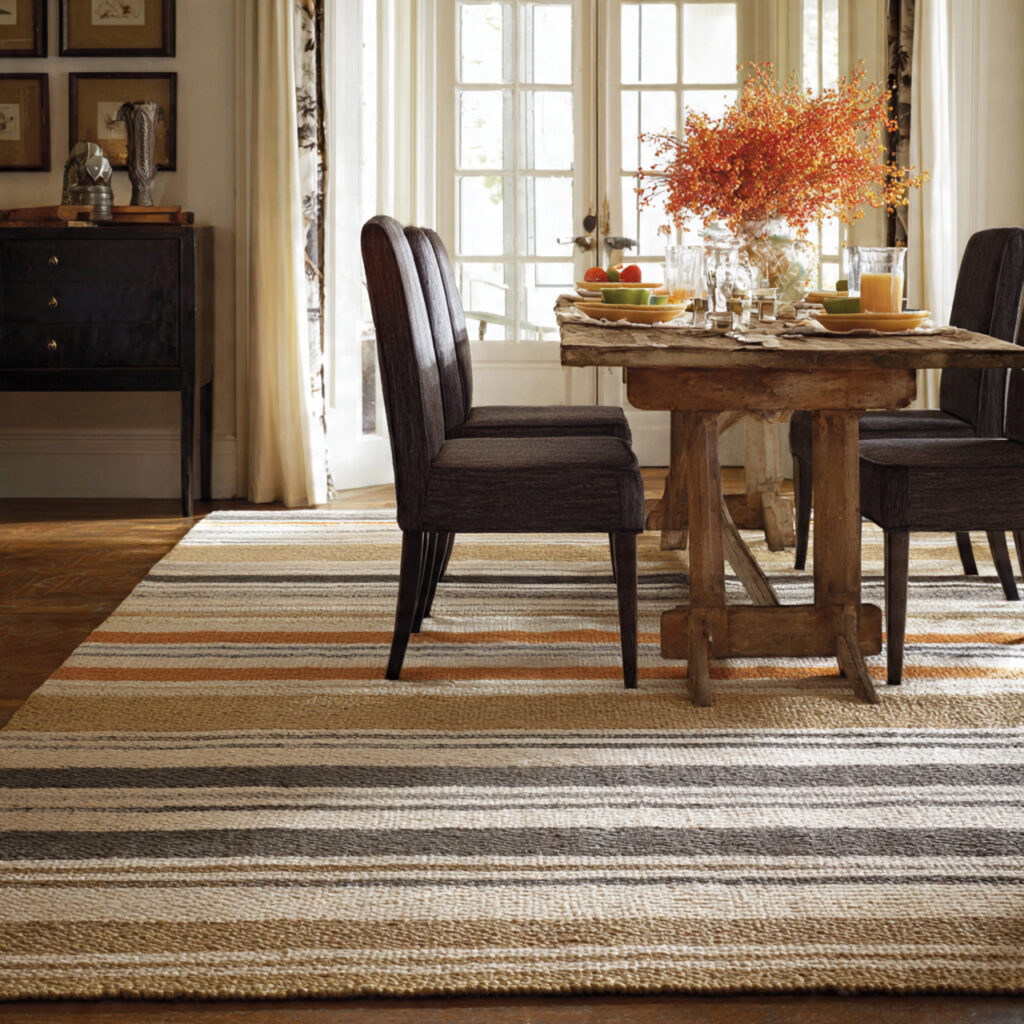
Want your dining room to look bigger? Easy.
A striped rug creates the illusion of more space. Horizontal stripes widen the room, while vertical ones elongate it.
Stick to subtle color contrasts for a more refined look.
This works because it’s functional and stylish. We love a multitasker.
12. Monochrome Rug for Sleek Style
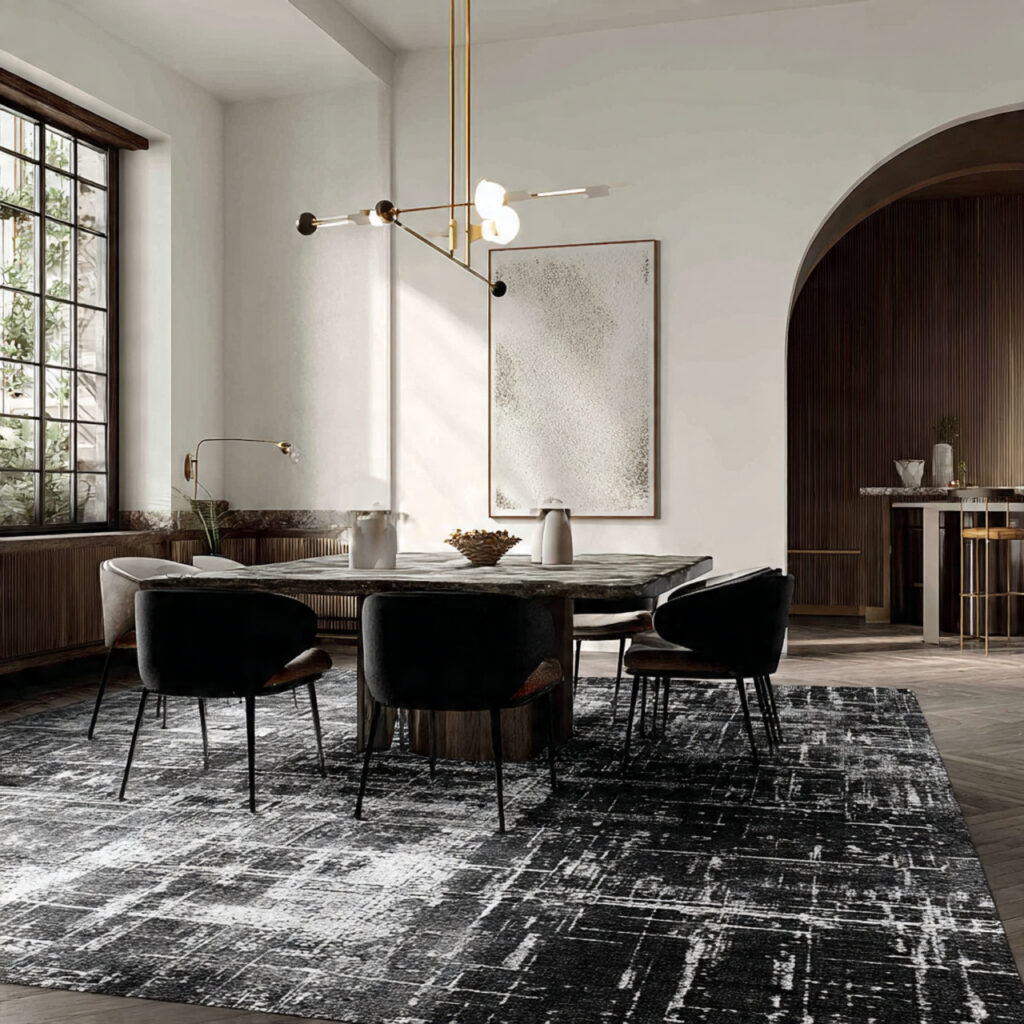
If your vibe is clean, modern, and slightly intimidating (in a good way), go monochrome.
A single-color rug—think all grey, beige, or black—keeps things polished and cohesive.
Add texture so it doesn’t feel flat. Because flat is boring, and we don’t do boring.
People love this because it’s effortless and elegant.
13. Boho Pattern Rug
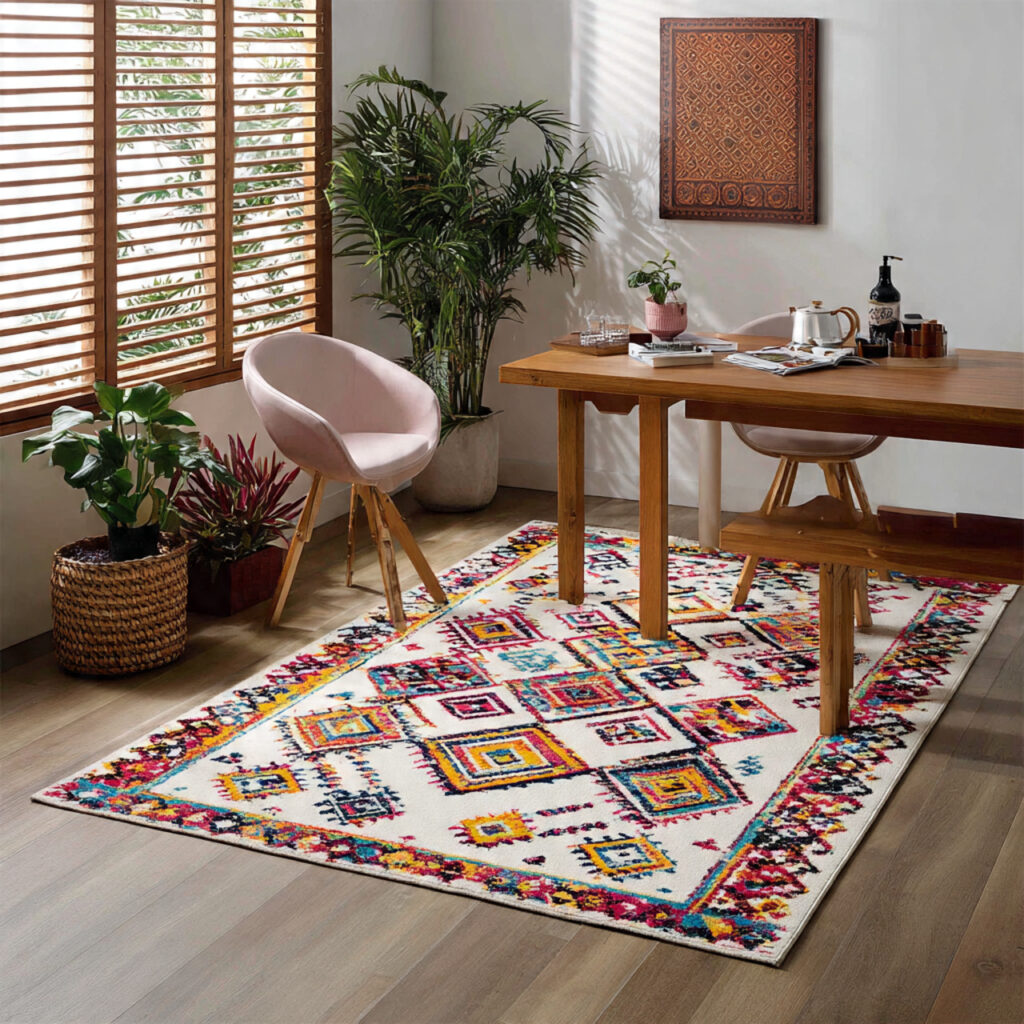
Okay, boho lovers, this is your moment.
A bohemian-style rug with warm tones and intricate patterns makes your dining space feel relaxed and lived-in.
Pair with mixed wood tones, plants, and maybe some woven accents.
It works because it’s cozy without trying too hard. Casual, but still cute.
14. Oversized Rug (Bigger Is Better)
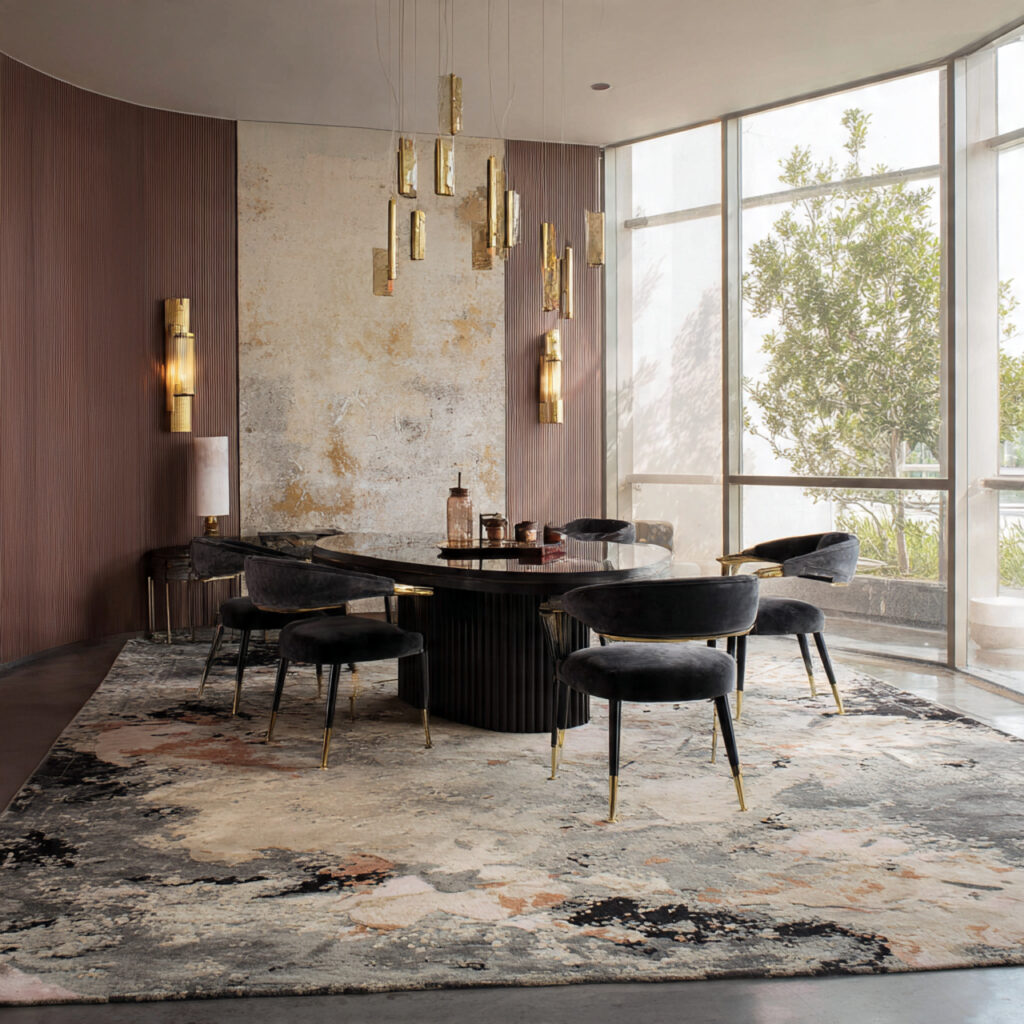
Here’s a rule you don’t want to break: your rug should be big enough for chairs to stay on it—even when pulled out.
An oversized rug anchors your dining area and makes everything feel more intentional.
Too small = awkward. And we don’t do awkward.
People love this because it just works. No weird proportions.
15. Color Pop Rug
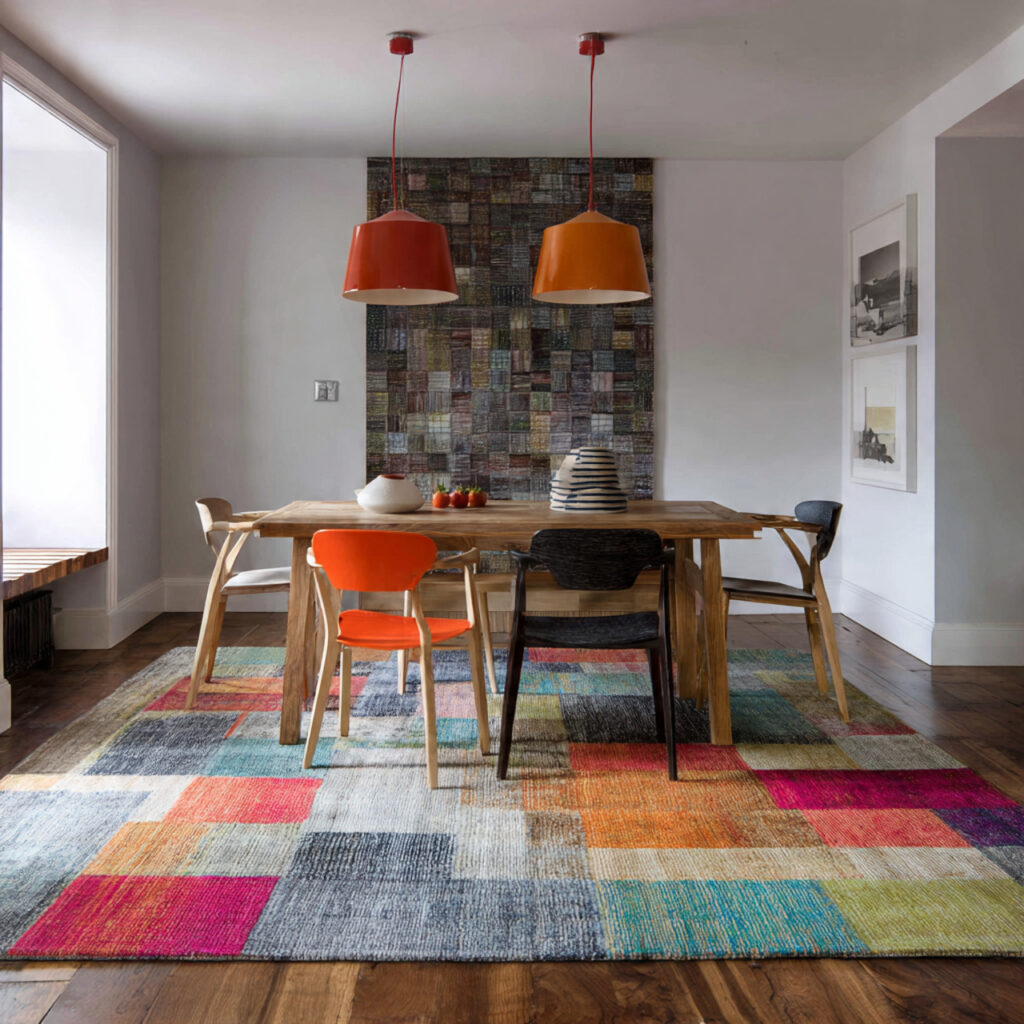
If your dining room feels a little… meh, add color.
A vibrant rug—think deep blues, terracotta, or even mustard—instantly lifts the space.
Keep everything else neutral so the rug shines.
This works because it adds energy. Like espresso for your room.
16. Subtle Pattern Neutral Rug
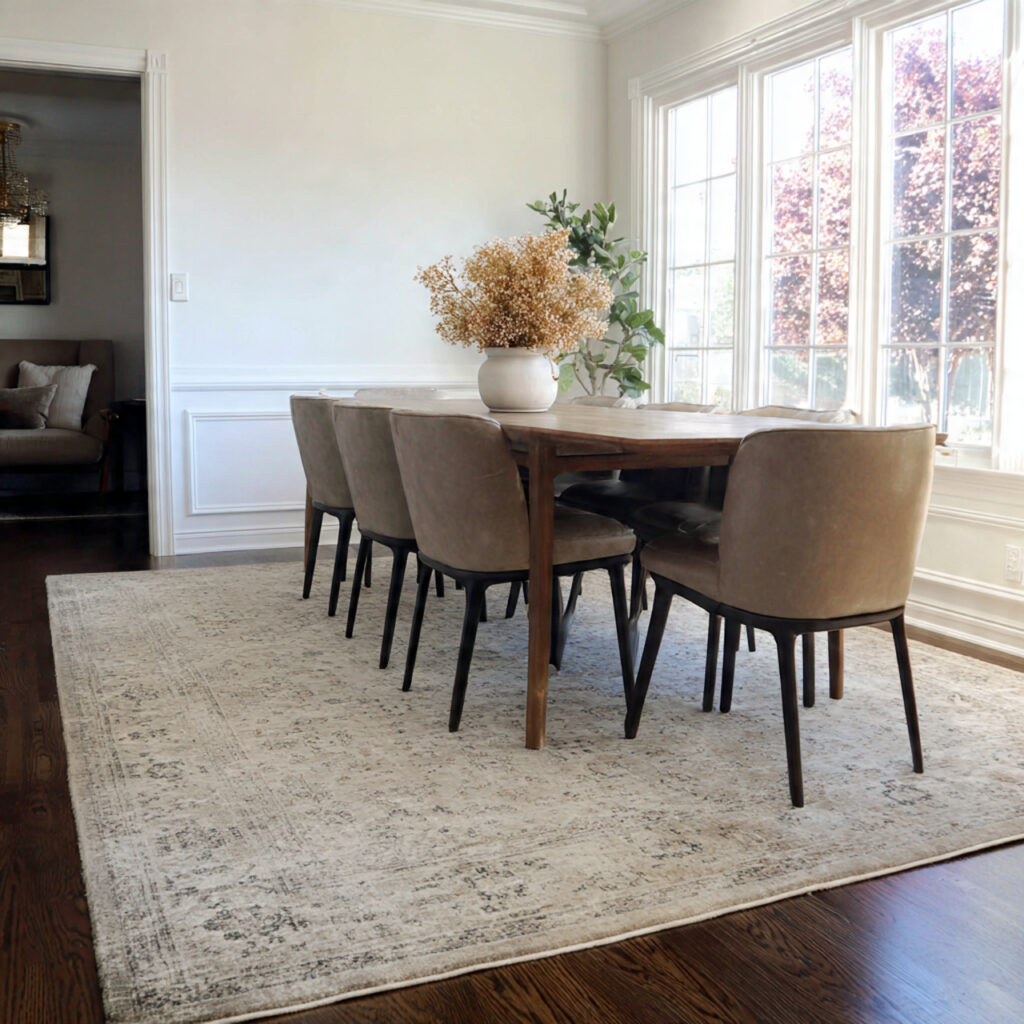
Can’t decide? Go subtle.
A neutral rug with a faint pattern gives you texture without overwhelming the space.
It’s perfect if you want interest but still love a calm, clean look.
People love this because it’s safe—but not boring. The best kind of safe.
How to Choose the Perfect Dining Room Rug (Without Overthinking It)
Let’s not pretend this decision isn’t weirdly stressful. Rugs are like jeans—when they fit, amazing. When they don’t… ugh.
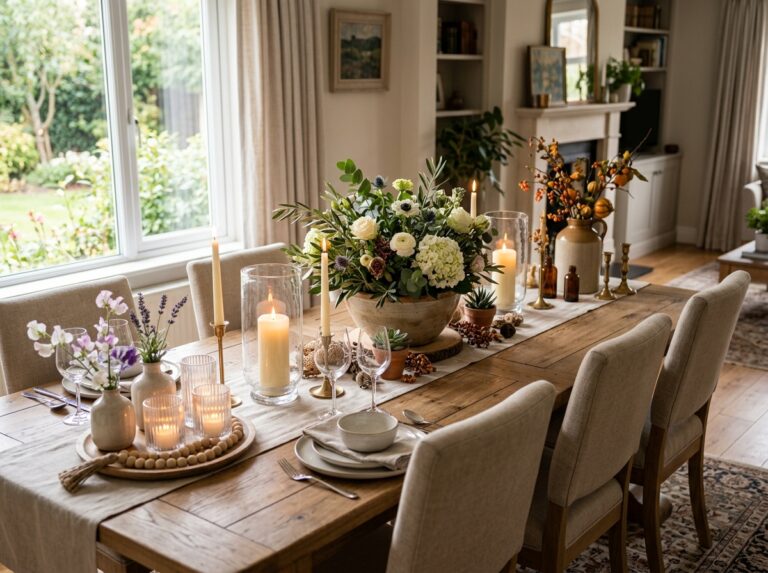
First, size matters. Your rug should extend at least 24 inches beyond the table so chairs stay on it when pulled out. Otherwise, you’ll hear that annoying scrape every time someone moves. And honestly, who has the patience for that?
Next, think about material. If you host dinners or have kids, go for low-pile or washable options. If your dinners are more aesthetic than chaotic (must be nice), you can experiment with textures like jute or wool.
Lastly, match the vibe—not the exact colors. Your rug should complement your space, not copy it. Because matching everything perfectly? That’s giving showroom, not home.
Dining Room Rug Mistakes You’ll Definitely Want to Avoid
Let’s have a quick reality check, bestie.
The biggest mistake? Choosing a rug that’s too small. It makes your dining setup look disconnected, like your table and chairs are arguing. Always go bigger than you think.
Another one—high-pile rugs. They look cute until you drop food and realize cleaning them is basically a full-time job. Save the fluffy stuff for the bedroom.
And please, don’t ignore maintenance. If you’re picking something delicate but live a messy life (same), you’re setting yourself up for regret.
Styling Your Dining Room Rug Like You Actually Know What You’re Doing
Okay, this is where things get fun.
Start with balance. If your rug is bold, keep your chairs and table simple. If your rug is neutral, you can play with textures and colors elsewhere.
Layer lighting above your table to highlight the rug—it deserves attention, okay? And don’t forget accessories:
- Minimal centerpieces
- Neutral tableware
- Soft textiles like runners or cushions
But don’t overdo it. You want “effortlessly styled,” not “I tried too hard.”
Conclusion
At the end of the day, the right dining room rug idea isn’t just about looks—it’s about how you live. Whether you go bold, neutral, washable, or vintage, the goal is simple: create a space that feels good, works hard, and looks amazing doing it.
Because your dining room? It deserves more than just crumbs and chaos. It deserves style.
FAQs
1. What type of rug is best for a dining room?
Low-pile or flatweave rugs work best because chairs can slide easily. Washable rugs are also a great option if you deal with frequent spills. Durability should always come first in dining spaces.
2. How big should a dining room rug be?
Your rug should extend at least 24 inches beyond the table on all sides. This ensures chairs stay on the rug even when pulled out, making everything feel more balanced and functional.
3. Are light-colored rugs a bad idea for dining rooms?
Not necessarily! Just choose one with patterns or stain-resistant materials. Light rugs can actually brighten your space, but they do require a bit more maintenance.
4. Can you layer rugs in a dining room?
Yes, but keep it simple. Use a large neutral base rug and add a smaller patterned one on top. Just make sure the layers stay flat and don’t create tripping hazards.